Deep winter color palette outfits often bring dark neutrals together with a clear accent or a pale detail. The useful question is how much of that contrast you want in an outfit you will actually wear. A black shirt with ink navy trousers feels different from the same trousers under an optic white blouse, even before accessories enter the picture. Seasonal color analysis is a subjective styling framework, so use the deep winter idea to test combinations rather than assign yourself a permanent dress code. The clothes you own provide a better starting point than a list of forbidden shades.
Decide how much contrast you want
Start with one bottom and change only the top. Black trousers with a black knit produce a dark, continuous shape. Replace the knit with berry and the color becomes more prominent; replace it with white and the light-dark division becomes sharper. Put on the same shoes each time. This simple comparison reveals which effect you enjoy without confusing color with a change in cut, fabric or heel height.
Look at the outfit from across the room as well as close to the mirror. A narrow white collar may be a small detail up close but a visible frame around the face at a distance. A large white shirt creates a much stronger block. Neither amount is universally right for a person labeled deep winter. Choose according to the setting, your comfort with attention and whether you want a quieter or more graphic result.
For an office day, ink navy trousers, a dark berry blouse and a black jacket can give definition without an extreme jump in lightness. For a more graphic version, exchange the blouse for white and leave the jacket open. Compare both with the bag and coat you will carry. A pale tote or a brightly colored outer layer may already supply the contrast, so the clothes underneath do not have to do all the work.
Do the first comparison in indirect natural light, with the garments close together. Strong direct sun can hide differences between dark shades, while a dim hallway makes everything look nearly black. Treat your preference as the useful result. Clear contrast is an outfit effect you can increase or reduce; it is not a measure of whether you have identified your season correctly.
Build a dark outfit with visible layers
Dark clothes can merge into one shape when their surfaces and depths are too similar. Try black trousers, an ink navy cotton shirt and a black textured cardigan. The shirt's collar and the cardigan's knit give the layers edges even where the colors are close. Check the navy beside the black before deciding it is too similar. Some combinations feel deliberate and subtle; others may look like an accidental near-match to your eye.
A different fabric can provide definition without adding a new color. A matte black skirt under a slightly lustrous blouse catches light differently from a head-to-toe matte outfit. A ribbed knit over smooth trousers also separates the pieces. Examine the effect in the light where you will spend time, because a satin surface may look restrained by a window and quite reflective under a spotlight. Texture changes the mood as well as the visibility of a layer.
Pay attention to where garments meet. A short jacket over a longer shirt creates a horizontal line; a long cardigan can make a more continuous column. If the whole outfit feels heavy, open the outer layer and expose a different neckline before adding a bright accessory. The issue may be proportion, not insufficient color. Sit down and check whether the layers bunch at the waist, especially with a tucked shirt or a high waistband.
Shoes can complete the dark line or interrupt it. Black boots under black trousers give one kind of continuity, while dark burgundy shoes introduce a small shift. With a skirt, tights and shoes of similar depth can connect the lower half even if they are not identical shades. Keep the option that works for walking and the weather. A color plan that depends on shoes you cannot comfortably use is unlikely to survive an ordinary week.
Place a clear accent where it helps
Choose one accent garment already in your wardrobe and give it a simple setting. A berry knit with black jeans and a dark jacket is an easy example. A clear blue shirt with ink navy trousers offers another. Color names are approximate: berry can mean anything from brownish red to purple. Compare the actual fabric against your neutral base and notice whether the relationship feels clean, subdued or more intense than you want.
The accent's location changes what you notice first. A scarf creates a small concentrated area near the face, whereas a colored skirt gives a larger area lower in the outfit. A bag is easier to set down and does not remain in the same position throughout the day. If a bold shirt feels overwhelming, try a smaller accent you already own before deciding that the color itself cannot work.
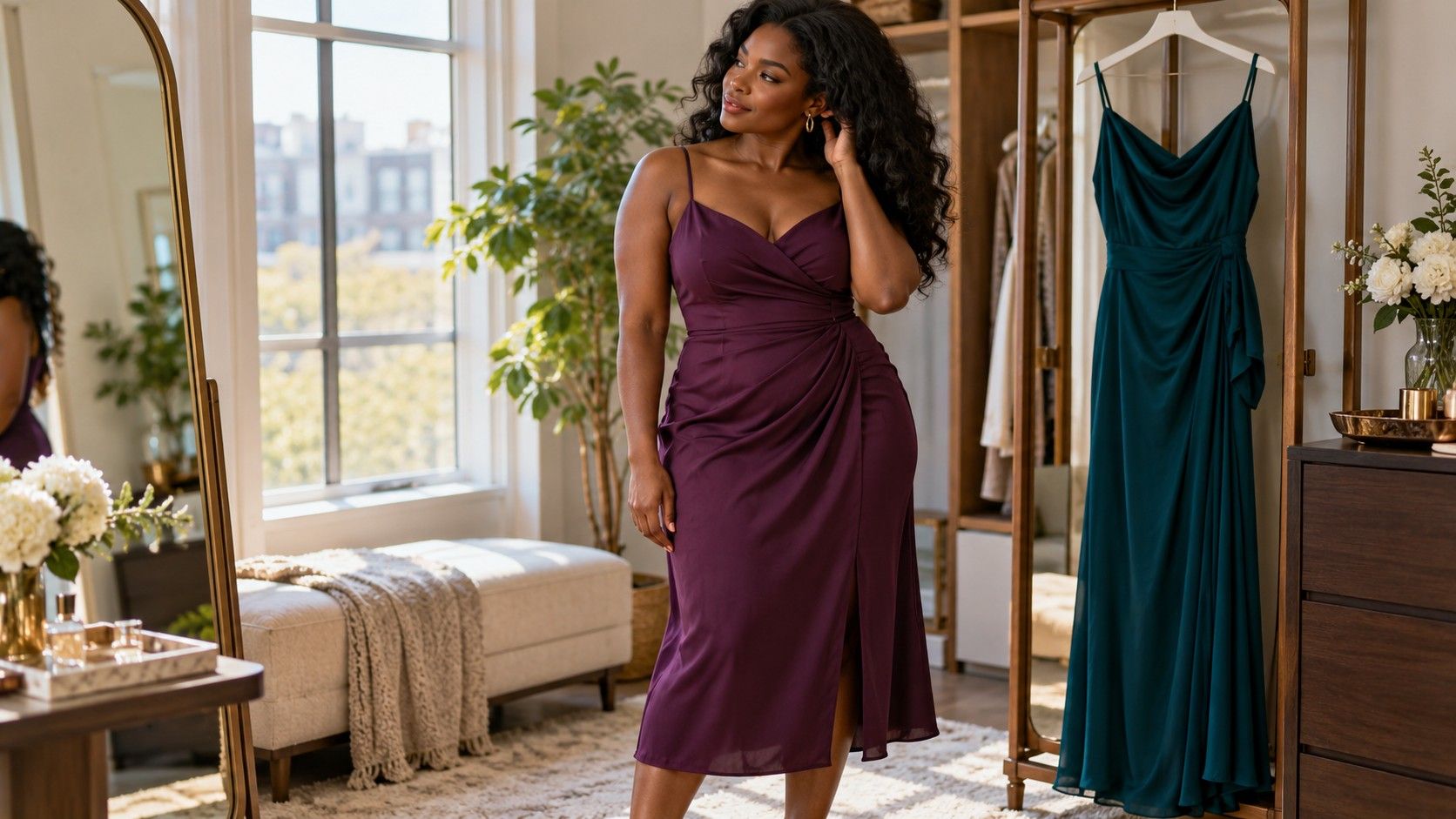
For a dinner outfit, a dark plum dress with a black jacket can look restrained until a clearer berry scarf or shoe is introduced. For a working day, that same accent may be unnecessary if the dress already supplies enough interest. Test one addition at a time. Putting on a bright necklace, scarf and shoe together makes it difficult to identify the detail you actually like.
Use white in manageable proportions
Optic white beside black produces an obvious light-dark contrast. Begin with a small visible area if you are uncertain: a T-shirt neckline under an open dark shirt, or a white collar above a navy knit. Then compare a larger area, such as a white blouse under a jacket. The second option will feel more graphic even if all the other pieces stay the same. Choose the version you would willingly wear for the activity ahead.
A white top with black trousers and a berry cardigan can divide the outfit into three clear areas. Opening the cardigan exposes a narrower column of white; removing it creates a much larger pale block. Check both states, because a layer that looks good on your way out may come off in a warm room. A complete outfit needs to work in the forms you will actually use, rather than only in a carefully arranged mirror pose.
White footwear has a different effect from a white neckline. Sneakers can lighten the bottom of a dark casual outfit and draw attention to the hem. If that interruption bothers you, compare dark shoes with the same clothes. Trouser length matters here: a large gap above the shoe produces another horizontal division. Adjusting the cuff may solve the proportion more effectively than changing the whole color combination.
White also brings practical demands. Check opacity in daylight, the collar's condition and whether the fabric needs an underlayer. A slightly softer white may be easier to use and may simply be your preference. Winter color palette clothing does not have to include a particular white, and an existing cream shirt can still form a strong light-dark combination. Judge its actual appearance beside your dark pieces instead of replacing it because of a category name.
Adapt muted pieces you already own
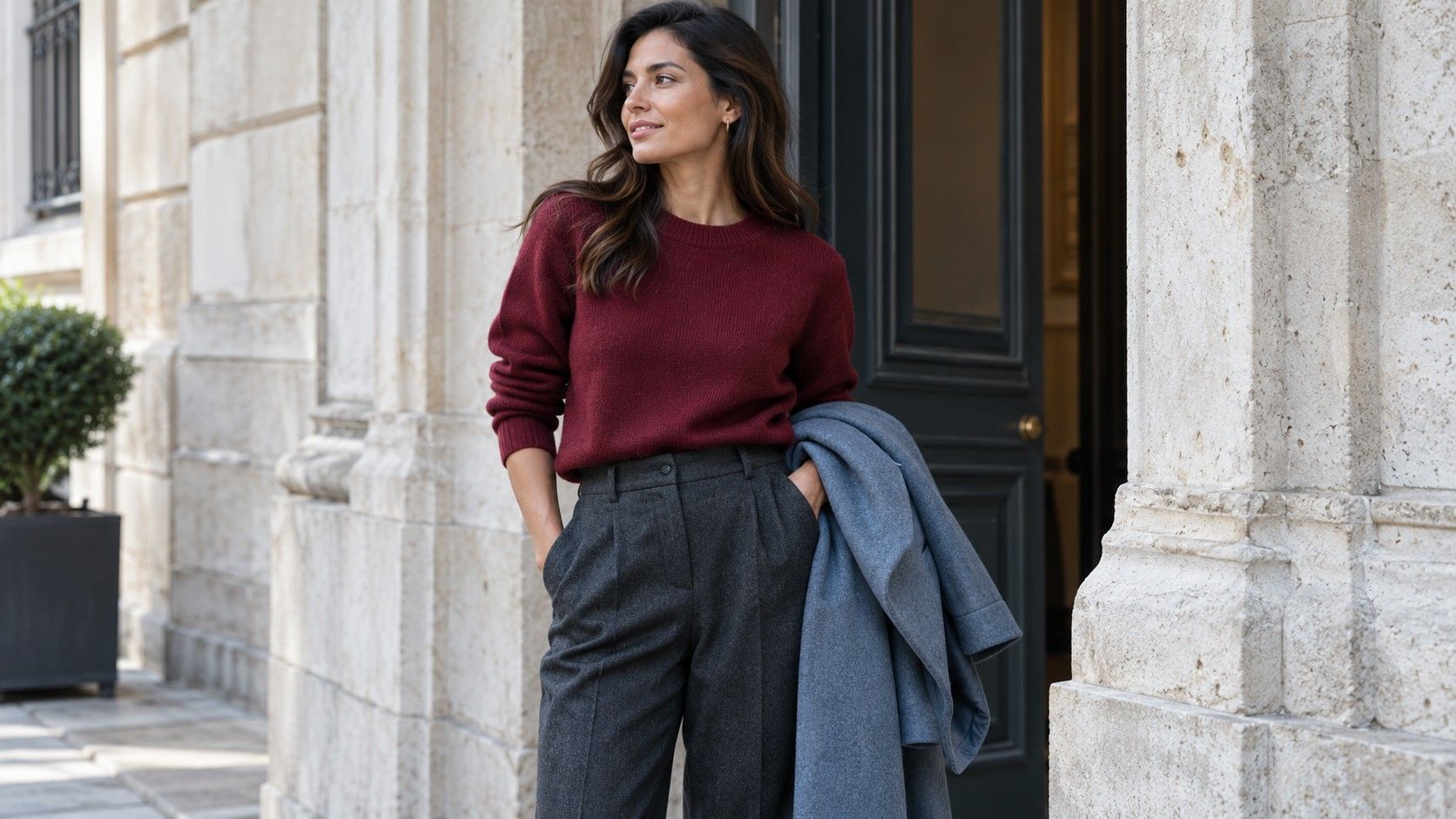
A muted gray sweater can remain useful alongside darker, clearer pieces. Try it with black trousers and a navy coat, then add a berry detail only if you want one. The gray gives a quieter middle value and may be welcome on a day when high contrast feels too formal. You do not have to make every outfit demonstrate all the characteristics associated with a seasonal palette.
For a faded blue shirt, compare black jeans with dark navy trousers. Black may make the faded quality more noticeable; navy may create a closer connection. Roll the sleeves or adjust the tuck only after you have compared the colors, so the first test stays simple. If neither version pleases you, try the shirt open over a familiar top. A change in visible area can give an old garment a different role.
Warm beige outerwear is another common wardrobe reality. Put the coat over a dark base and inspect it open and closed, using the bag you normally carry. A dark scarf might connect the coat to the clothes beneath it, but it should also be comfortable and appropriate for the temperature. There is no requirement to hide the coat's color. You may prefer the contrast between a warmer outer layer and a cool-looking inner outfit.
Keep a few successful combinations recorded by garment: black trousers, gray knit, berry scarf, navy coat. That is more actionable than a row of abstract swatches. Review the outfits after wearing them and note any comfort or care issue that mattered. Deep winter styling becomes useful when it helps organize familiar clothes and gives you control over contrast, while leaving room for personal taste and the practical demands of the day.